Sikkim Travel Guide
Overview
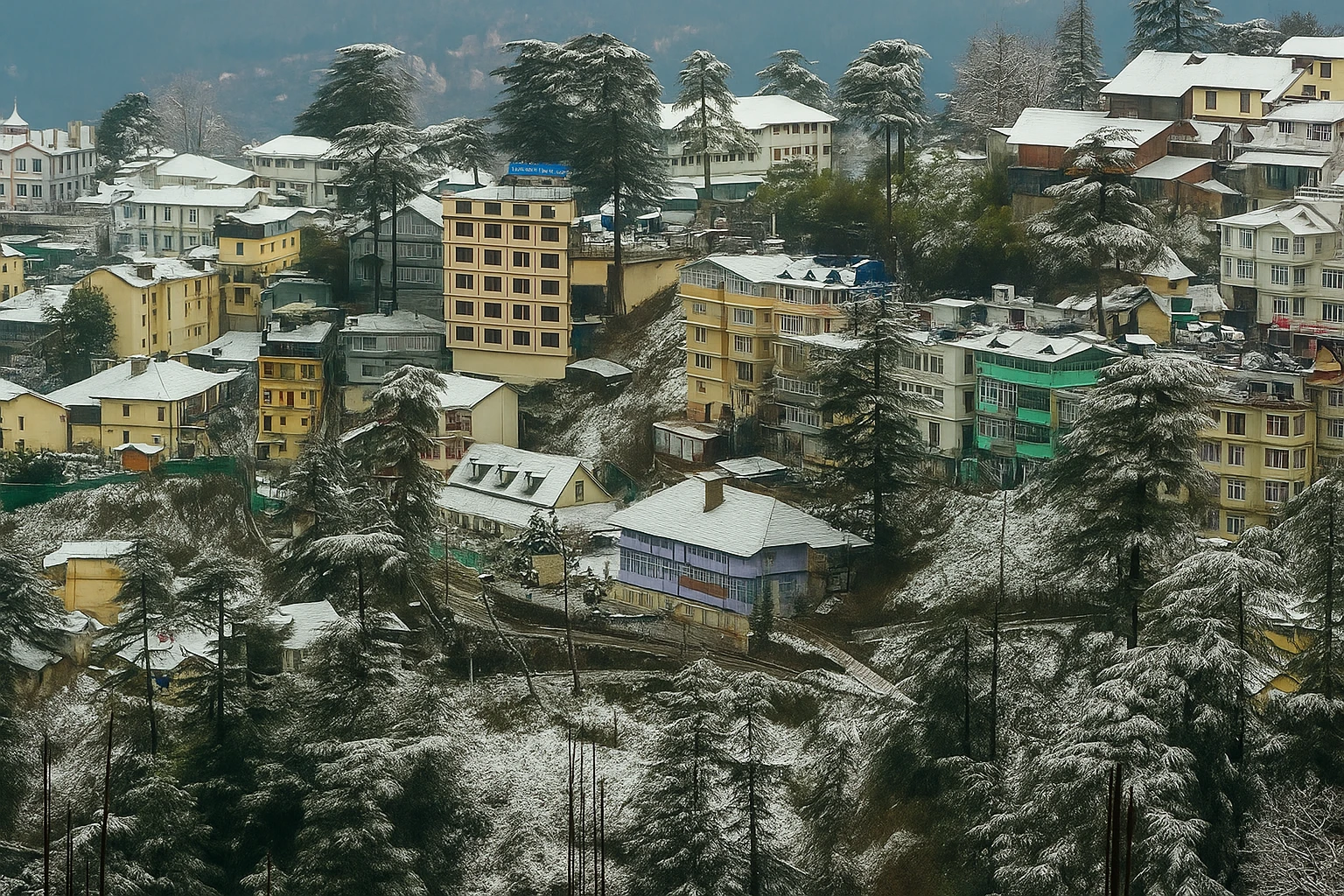
Situated in the lap of the Eastern Himalayas, Sikkim looks as if heaven has descended on earth. Snow-capped peaks, blue lakes, colourful monasteries and the unique culture of the place—all together make it very special. This is the place from where you can see the world's third highest mountain, Kanchenjunga. Coming here, you feel as if both nature and spirituality are welcoming you together.
The most beautiful thing about Sikkim is that tourism here is eco-friendly and the state completely promotes organic farming. Apart from this, the people here are very simple and hospitable, which makes the trip even more memorable.
Whether you want to get lost in the peace of monasteries, experience the thrill of trekking in the mountains, or just sit in a calm environment and feel the nature—Sikkim appeals to every traveller.
Best time to visit-
The beauty of Sikkim shows different colors in every season.
- Spring (March–May): In this season the hills are covered with orchids and rhododendrons. Colourful flowers bloom all around and the weather is also perfect for traveling.
- Summer (June): The summers here are cool and relaxing. If you want to avoid the heat of the plains, then this time is best for you. This is also the right season for trekking and nature walks.
- Monsoon (July–September): During this time there is a lot of rain and sometimes the journey can be difficult due to landslides. This time is not considered right for long trips.
- Autumn (October–November): The sky is absolutely clear, the air is fresh and the view of the mountains is heart-winning. This is the best time for photography and outdoor activities.
- Winter (December–February): High altitude areas like Tsonggo Lake and Nathula receive heavy snowfall during this season. It is quite cold, but the views are magical.
The best time to visit Sikkim is from March to June and then from October to November
How to reach
Reaching Sikkim has become quite easy now, you just have to choose the right route:
- Air route: Pakyong Airport is about 31 km from Gangtok, but flights are limited there. Most people come to Bagdogra Airport (West Bengal), which is about 4–5 hours away (125 km) from Gangtok. From the airport, you can easily reach Gangtok by taking a taxi or share cab.
- Rail route: The nearest major railway station is New Jalpaiguri (NJP), which is about 120 km from Gangtok. Direct trains are available from cities like Delhi, Kolkata and Guwahati. The journey beyond NJP has to be done by taxi or bus.
- Road route: Sikkim is well connected to many cities of West Bengal like Siliguri and Darjeeling. From here you can easily reach Gangtok or other parts of Sikkim by government bus, private taxi or shared jeep.
Major attractions of Sikkim-
There are so many places to visit in Sikkim that every day there is something new to see. The beauty of this place is not just limited to the mountains, but every place has its own identity.
- Gangtok – The capital of Sikkim and the most lively place. MG Road is the life of this place – in the evening people are seen here leisurely strolling, drinking coffee and shopping. Apart from this, one can see the spectacular view of the mountains from Enche Monastery and Tashi View Point.
- Tsomgo Lake (Changu Lake) – Situated at a high altitude, this lake is surrounded by snow-capped mountains. Coming here really feels like you have come to the set of a film. Yak ride is a different fun here.
- Nathula Pass – Located on the Indo-China border, this place is associated with adventure and history. A permit is required to reach here, but the views from the top are worth the effort.
- Pelling – From here one can see the most beautiful views of Kanchenjunga. Also worth visiting are Pemayangtse Monastery and the old Rabdentse ruins. Yumthang Valley – It is called the “Valley of Flowers”. In the spring season when rhododendron flowers cover the entire valley, the view looks like a dream.
- Lachung and Lachen – These small villages are in North Sikkim. The journey to Gurudongmar Lake and Yumthang Valley starts from here. Staying in these villages gives the experience of real mountain life.
- Ravangla and Namchi – The Buddha Park built here and the huge statue of Guru Padmasambhava are worth seeing. These places soothe the soul with a calm atmosphere and amidst the mountains.
Things to do in Sikkim
The fun of visiting Sikkim is not limited to just seeing the views, the different activities here make it more memorable.
- The fun of trekking – If you like to walk in the mountains, then definitely do treks like Goecha La and Dzongri. Snow-capped peaks and quiet forests will accompany you on the way.
- Adventure lovers – River rafting in the Teesta river is a different kind of fun. When the whole city and mountains are visible from above while paragliding in Gangtok, that view is always remembered. Mountain biking and camping are also available here in abundance.
- Moments of peace – One can experience peace for hours by sitting in monasteries like Rumtek and Pemayangtse. The positive energy here gives a lot of peace to the mind.
- Walking amidst nature – Orchid gardens, tea gardens and flower-covered forests will force you to stop at every step and take pictures.
- Shopping fun – Do not forget to buy thangka paintings, local handicrafts, woolen clothes and organic tea from MG Road in Gangtok. These give a real taste of Sikkim along with souvenirs.
- Colors of festivals – If your trip falls during festivals like Losar or Pang Lhabsol, you will be able to feel the culture of Sikkim most closely. Colorful clothes, traditional dances and folk songs make the atmosphere very special.
Taste of Sikkim
As unique as the beauty of Sikkim is, its food is equally interesting. The cuisine here has a mix of Tibetan, Nepalese and local flavors.
- Momos – It is impossible to go to Sikkim and not eat momos. These small dumplings filled with vegetable or meat taste simply amazing with spicy chutney.
- Thukpa – There is something different about hot noodle soup in cold weather. It is not only delicious but also filling. Phagshapa – If you want to try non-veg, then definitely try this dish made of pork, radish and dried chillies.
- Gundruk – Made by fermenting green leafy vegetables, it tastes a little different but memorable.
- Sel Roti and Churpi – Freshly fried sweet bread and cheese made from yak milk, both are favorites of the locals.
- Drinks - Whether it is a sip of Sikkim's famous organic tea or Tongba, a traditional beer made from millet, both have their own fun.
On Gangtok's MG Road, you will find cafes, bakeries and many restaurants, where you can taste local food as well as continental or international dishes.
Stay options in Sikkim
While going to Sikkim, I also had the same question in my mind that where will I stay. But after going there I came to know that there are all kinds of arrangements here.
If the pocket is light – Homestays built in small villages like Lachen, Lachung or Pelling are very good. Homely atmosphere, local food and mountain vibe. When you wake up in the morning and the fog clears from the window and the mountains are visible in front, then it seems that you have chosen the right place.
If you want a little comfort – there are good hotels in Gangtok and Pelling. Neither too expensive, nor too cheap. The rooms are clean, essential facilities are available and when you open the window, there is a view of the mountains in front – what else do you need?
If you are fond of luxury – then stay in Gangtok, Ravangla or near Tsomgo Lake
Ideal travel duration – Sikkim
If you want to truly experience Sikkim, you should take out at least 5–7 days. Every day is fun, and slowly this place settles in your heart.
- Day 1–2 (Gangtok): It is best to start the journey from Gangtok. Roaming around MG Road during the day, sipping coffee in a local cafe in the evening and watching the view of the mountains from Rumtek Monastery or Tashi View Point – these are the moments that make the trip memorable.
- Day 3 (Tsomgo Lake and Nathula): Now it is time for a little adventurous trip. The blue waters of Tsomgo Lake, the peace of Baba Mandir and if the weather is right, the thrill of Nathula Pass – all this can be found in a single day. The cold breeze and snow-capped mountains here really make you feel like you are in another world.
- Day 4-5 (North Sikkim): The simplicity of Lachung, the beauty of Yumthang Valley and the divine view of Gurudongmar Lake—these two days will be the highlight of your trip. After going here, you will feel as if time has stopped.
- Day 6 (Pelling): Now turn the journey towards Pelling. The Pemayangtse Monastery here, the ruins of Rabdentse and the view of Kanchenjunga from the clear sky—only after coming here will the heart say, "The journey is over."
- Day 7 (Namchi/Ravangla): Spend the last day a little relaxed. If you want, seek blessings at the huge Shiva temple of Namchi or sit in the peace of Ravangla and remember this entire journey.
To be honest, every day in Sikkim will give you a different feeling—sometimes peace, sometimes adventure and sometimes comfort.
Budget Range – Sikkim
The cost of visiting Sikkim depends largely on your travel style.
Low budget – If you stay in homestays, travel by shared taxis and eat at local dhabas or small cafes, then a 4-5 day trip can easily be done in 7,000 to 10,000 rupees.
Medium budget – If you choose good hotels, private taxis and guided tours, then the cost can be around 15,000 to 25,000 rupees.
Luxury Travel – If you choose resorts, private vehicles and exclusive packages, then the budget can be 30,000 rupees or even more.
Yes, remember that permits are required for areas like Nathula Pass, Gurudongmar Lake and its separate cost is added.
Conclusion
The biggest beauty of Sikkim is that it has something special for everyone. If you want peace, then the sound of the bells of the monasteries and the cool breeze of the mountains soothe you. If you are fond of adventure, then trekking near Kanchenjunga and trips to the icy lakes will win your heart. And if you just want to relax, then sitting in a small cafe with a hot tea and watching the clouds descend into the valleys is enough.
This journey is not limited to just visiting places, but also connects you with the culture of Sikkim, the simplicity of the people here and their hospitality. This is the reason why even after returning from Sikkim, its memories remain fresh in the heart - as if the mountains have embraced you as a part of themselves.